RFID Reader: Definition, Types, How It Works, and Optimization

RFID is a technology that is currently being adopted in warehouse management to improve the accuracy and efficiency of the item stock tracking process. This system requires two important devices: scanners and tags. The RFID reader or scanner plays a crucial role in emitting waves that trigger tags, allowing information on various stock items to be read quickly all at once.
Choosing the right RFID reader can help companies manage their warehouses optimally. For more details, you can understand the explanation of RFID tags below.

Definition of RFID Reader
An RFID (Radio Frequency Identification) Reader is a device used to read and capture data stored in RFID tags using radio waves. The RFID reader acts as a bridge between the RFID tag and the computer system to identify, track, or authenticate objects without direct physical contact.
Components of an RFID Reader
In general, an RFID reader device consists of several key components:
1. Antenna
The antenna functions to transmit and receive radio signals to and from the RFID tag. This component enables communication between the RFID reader and the tag without physical contact, allowing data to be transferred quickly and efficiently.
2. Transceiver
The transceiver converts the radio signals received from the RFID tag into digital data that can be processed by the system. Additionally, the transceiver controls signal transmission to the tag to ensure smooth communication.
3. Microcontroller or Processor
This component processes the data received from the RFID tag and forwards it to the warehouse system. The microcontroller or processor ensures that the information obtained from the tag is correctly interpreted by the software being used.
4. Communication Interface
The communication interface connects the RFID reader to other devices, such as the warehouse management system. This connection can be established via various methods, including USB, Ethernet, Wi-Fi, or Bluetooth, allowing data from the RFID reader to be integrated into broader management systems.
How an RFID Reader Works
The implementation of an RFID reader generally goes through several stages before data can be read in the warehouse system:
1. Transmission of Electromagnetic Signals
The RFID reader transmits radio waves through an antenna to detect nearby RFID tags. If a tag is detected nearby, the RFID reader will receive its signal.
2. Signal Reception by the RFID Tag
When an RFID tag is within signal range, it receives the signal sent by the RFID reader. This signal activates the tag for the data communication process.
3. Response from the RFID Tag
Once activated, the RFID tag sends the information stored in its chip back to the RFID reader. This data can be an identification number or other specific details. The information can be viewed directly on the reader or via the connected warehouse system.
4. Data Processing by the RFID Reader
The RFID reader captures the signal from the tag, translates the received data, and transmits it to the warehouse system for further processing, such as inventory logging or tracking.
Types of RFID Readers
RFID readers can be categorized into several types based on signal frequency and physical form factor. Here is an explanation of each type:
RFID Readers by Frequency
1. Low Frequency/LF (30 kHz – 300 kHz)
Low-frequency (LF) RFID readers have a read range of about 10 cm. The main advantage of this type is its resistance to interference from metal or water, making it suitable for challenging environments. Example applications include access control cards for security.
2. High Frequency/HF (3 MHz – 30 MHz)
High-frequency (HF) RFID readers have a read range between 10 cm and 1 meter. This type is faster than LF and is commonly used in electronic payments. Typical applications include NFC payment cards, e-ID cards, and transit tickets.
3. Ultra High Frequency/UHF (300 MHz – 3 GHz)
Ultra-high-frequency (UHF) RFID readers can read tags at ranges up to 12 meters. Featuring high speed and the ability to read multiple tags simultaneously, this type is frequently used in logistics, warehouse management, and inventory stock counts.
Types of RFID Readers by Form Factor
1. Fixed RFID Reader
A Fixed RFID Reader is permanently installed at specific locations in a warehouse, such as entrance gates or inventory rack areas. This device operates automatically to detect RFID tags without requiring manual interaction.
2. Handheld RFID Reader
A Handheld RFID Reader is a portable device that can be carried to various locations to read RFID tags. This type is widely used by warehouse staff or field asset inspectors due to its operational flexibility.
Advantages and Disadvantages of RFID Readers
When applied to warehouse management processes, RFID readers offer several advantages and disadvantages. Here is the breakdown:
Advantages of RFID Readers
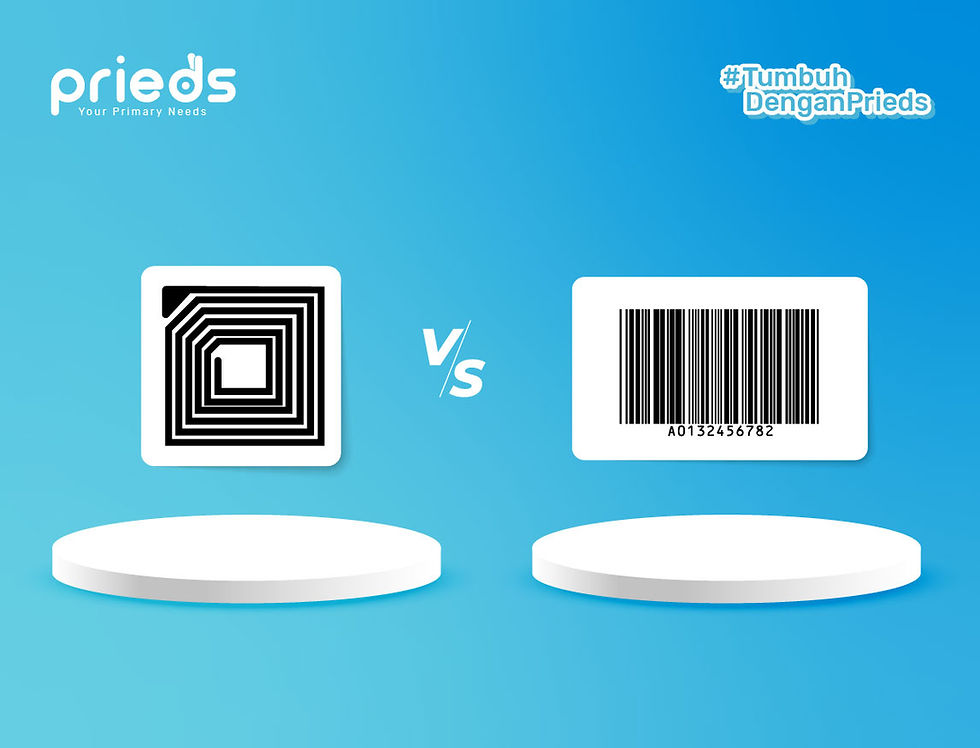
Non-Contact Reading: RFID Readers can read tags without direct contact, making them faster than barcode scanners that require scanning item by item.
Simultaneous Multi-Tag Reading: RFID Readers enable reading multiple tags at once, significantly boosting efficiency in warehouse management.
Higher Data Security: Information stored on RFID tags is much harder to forge compared to barcodes, enhancing overall system security.
Durable in Harsh Environments: RFID Readers perform reliably in dusty, wet, or demanding environmental conditions.
Disadvantages of RFID Readers
High Implementation Cost: Compared to barcodes, RFID setup costs are higher because they require specialized hardware and more complex supporting infrastructure.
Signal Interference: Having too many RFID devices in a single area can cause signal interference, potentially affecting data reading accuracy.
Potential Security Vulnerabilities: RFID Readers without robust security measures can become targets for hacking, requiring additional security systems to prevent misuse or data theft.
Implement the Best RFID Reader from Prieds for Optimal Warehouse Management!
Implementing RFID readers helps companies optimize warehouse management. These devices can be integrated with a Warehouse System so that businesses can automate stock counts, improve visibility, and enhance control over all inventory management processes within the warehouse.
Using the Best RFID Reader from Prieds in warehouse management operations helps minimize item loss or damage, increases inventory data transparency, and ensures smooth warehouse operations.
You can learn more about implementing the best RFID Reader solutions by consulting with our expert team. Get RFID devices equipped with comprehensive features, top-tier security, and ease of use tailored to your company's needs with Prieds.